
Relatable Stories and the Search for Connection: What Teens Really Want From Media
Teens haven’t abandoned traditional TV and movies, they’ve reimagined them. Today’s adolescents move fluidly across platforms, value authenticity over aspiration, and see media less as escapism than as a social glue. Up next, we analyze these and more findings from the latest Teens & Screens study by the Center for Scholars & Storytellers at UCLA.
-
By ttvnews
- 19/02/2026

While still young, teens have control over their media consumption choices and are exposed to screens on almost every aspect of their lives, making them a source not only of entertainment and distraction, but a means through which they create community, shape their personalities and understand the world around them.
A unique demographic on their own, born into technology and seeking connection through social platforms, teens have a unique way of relating to entertainment and media, one that’s worth analyzing to figure out how to reach this coveted audience.
To this end, the Center for Scholars & Storytellers (CSS), based in UCLA’s Department of Psychology, conducted its annual Teens & Screens study, which surveys U.S. adolescents about their media use and perspectives, sharing the perceptions, opinions, and beliefs about various types of popular media, including TV shows, movies, video games, and digital media from over 1500 teens ages 10 and up.
The main findings:
Traditional media is social, too
The report finds that the boundaries between types of media are fluid. Teens engage with all types of media without clear boundaries and do so in surprising ways.
– 53% said they discuss TV shows and movies with their friends more than they discuss content on social media. Only 18.6% discuss social media more.
– When they want to watch something with their friends, adolescents choose movies more than any other type of media (31.2%), twice as often as social media (15.6%).
– 57% of tweens, teens, and young adults said they watch TV and movies more than older generations think they do, nearly four times more than those that disagreed.
– Nearly 4 in 5 (78.4%) at least sometimes watch TV and movies on YouTube, TikTok, or other social media. Nearly half (46.7%) said they mostly watch TV and movies on a personal device other than their TV (including their phone, tablet, or computer).
– Adolescents see the appeal of animation, across genres. Given the choice between animated and live action content, nearly as many adolescents said they prefer animated content (48.5%) as those who prefer live action content (51.5%).
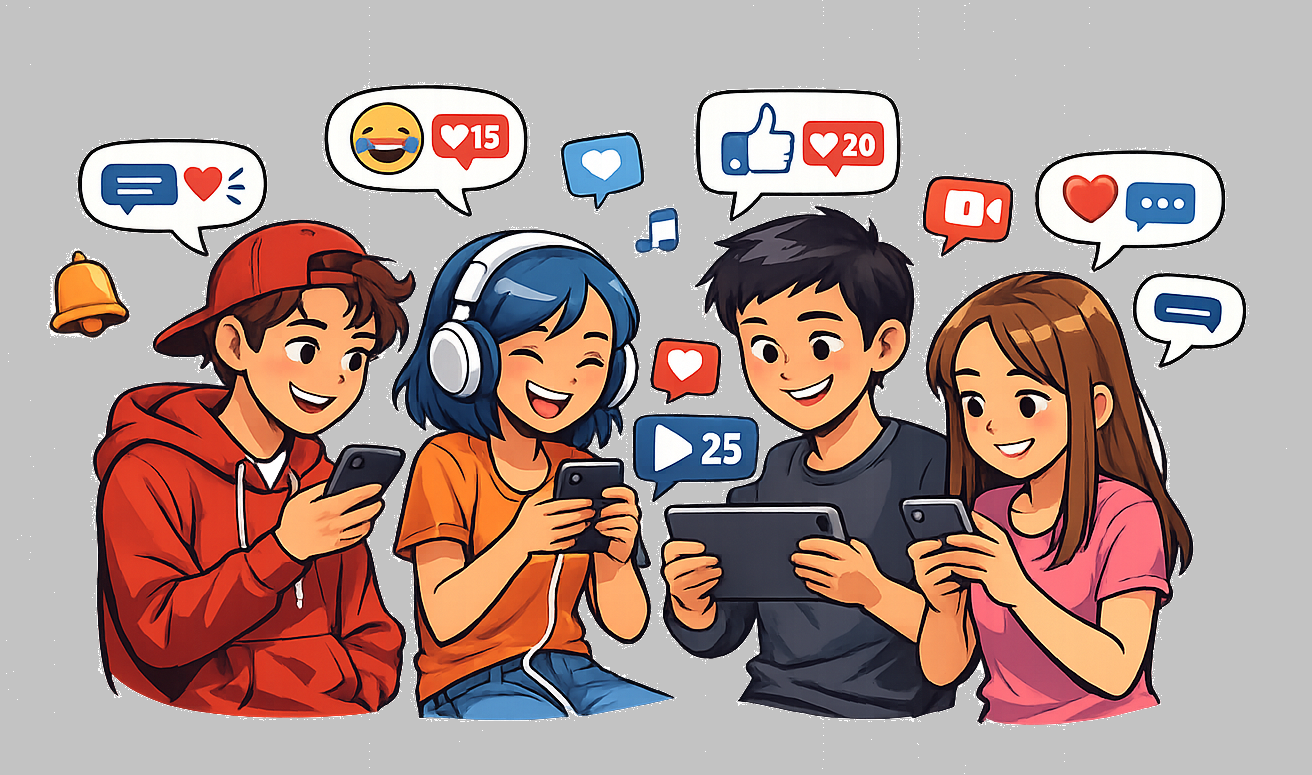
Main takeaway: For teenagers, media is no longer defined by the platform or rigid categories, but by the social experience it generates. Young people integrate media into a single ecosystem where films and series continue to occupy a central place in conversation and shared consumption, even more so than native social media content. Watching, commenting, and recommending happens across platforms, often on social media and from personal devices. For this generation, what matters is not the format or the medium, but the connection, identity, and cultural value that the content provides.
Back to life, back to reality
Teens want to see their own lives reflected authentically on screen. More teens want to see “relatable stories that are like my personal life” (32.7%) than stories about fantasy worlds, real-world issues, or aspirational stories about rich or famous people:
Teens’ preference for relatable stories represents a 35.3% jump from last year, when fantasy was number 1- On this year’s topic list, “People with lives like my own” was number 1 – underscoring their desire to relate to the characters they see in TV shows and movies.
Although adults may think that most adolescents care about seeing rich and/or famous people, most of them are actually more interested in stories about regular people. For instance, adolescents were 46.9% more likely to say they were highly interested in stories about people with lives like theirs than about rich and famous people, and 2x as likely to express low interest in content about rich and famous people than people with lives like theirs.
In this regard, YouTube wins Most Authentic Digital Media Platform in back-to-back years. Almost two-thirds (66.1%) of adolescents ranked YouTube near the top of the scale in authenticity, a full 7% more than the next-most-authentic platform, TikTok (59.1%).
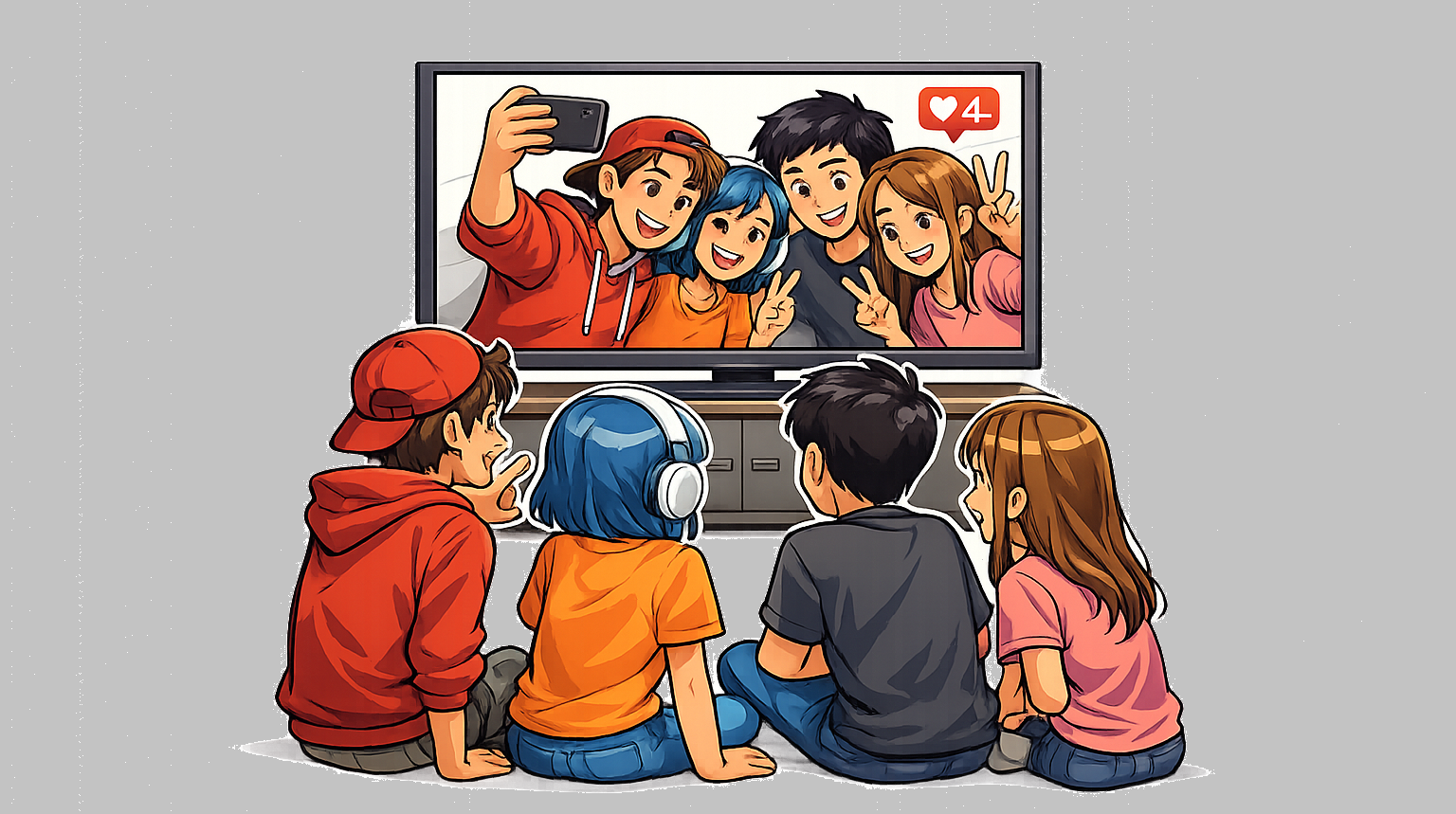
Main takeaway: For teenagers, the true appeal of content lies not in fantasy or aspirational luxury, but in recognizing the everyday. They seek stories that function as a mirror rather than an escape. They look for voices and experiences perceived as real, reinforcing the idea that, for this generation, emotional connection stems from feeling seen and represented, not from admiring unattainable lives.
Friendship comes first
According to the survey, 59.7% of adolescents aged 14 to 24 said they “want to see more content where the central relationships are friendships”.
Among the topics most sought after by teens are different-gender friendships, as 54.9% of adolescents want to see different-gender characters (e.g. a man and a woman) “prioritize their friendship instead of turning it into a romantic relationship”, more than the 49.0% who want to see more same-gender friendships. This preference is even stronger for those under 18.
Healthy conflict resolution in friendships: Conflict is an important story element, but adolescents prefer when conflict is combined with realistic communication. Friendships ranked 3rd out of 19 topics adolescents wanted to see this year (57.7% reported high interest), while Romance ranked third-to-last (only 36.5% reported high interest). 54.1% want to see more portrayals of characters who “aren’t interested in romantic relationships at that point in time”.
On the other hand, among the tropes to avoid are love triangles, toxic relationships framed as romantic, and relationships based mostly on physical attraction.
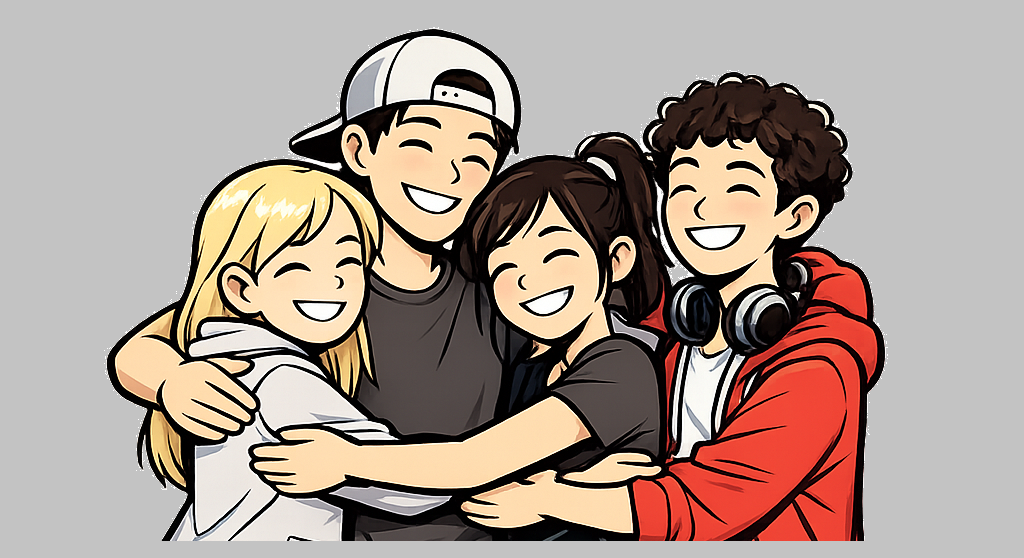
Main takeaway: There is a clear shift in adolescents’ narrative priorities: friendship is emerging as the central bond, above traditional romance. Instead of grand passions, adolescents seem to be seeking narratives that validate friendship as a space for support, identity, and personal growth.
Conclusion: Teens seek connection
The findings in the report paint a picture of tweens, teens, and young adults who are both more engaged with traditional storytelling and more discerning about it than many adults realize. They haven’t abandoned TV shows and movies, they’ve simply redefined how and where they watch them, and they treat shows and movies as a means for connection.
At the same time, they’re hungry for stories that reflect their actual lives more than fantasy or glamour. They want to see people who look like them and face challenges like theirs. And perhaps most tellingly, they want to see the relationships that are often central to them: authentic friendships, and especially bonds between people of different genders that don’t necessarily turn romantic.
A through-line at the heart of these findings is a deeper truth about how adolescents use media: they’re seeking connection.
*The data in this article comes from the Teens & Screens report by the CSS. The full report can be found here.