
Portugal: Landscapes, Incentives, and Talent for the Audiovisual Industry
Through a wide variety of locations, infrastructure, highly qualified professionals, financial incentives, and specialized tools and programs with multimillion-dollar investments, Portugal seeks to consolidate its position as one of the most competitive destinations in Europe for audiovisual production and international co-productions.
-
By Carolina Mussio
- 13/07/2026

One of Europe’s most iconic destinations, Portugal has established itself as one of the most attractive territories for international audiovisual productions, thanks to a unique combination of natural conditions, specialized infrastructure, and a highly favorable environment for the industry.
Its geographical and architectural diversity, along with a privileged climate that offers nearly 300 days of sunshine a year, allows filming to take place throughout the year with excellent natural light, optimizing both production times and operating costs.
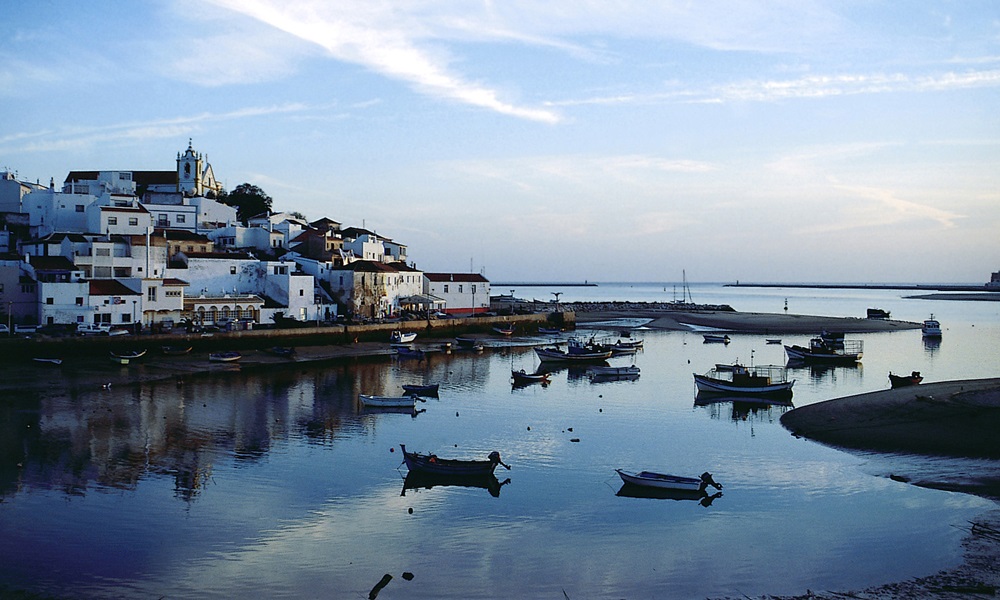
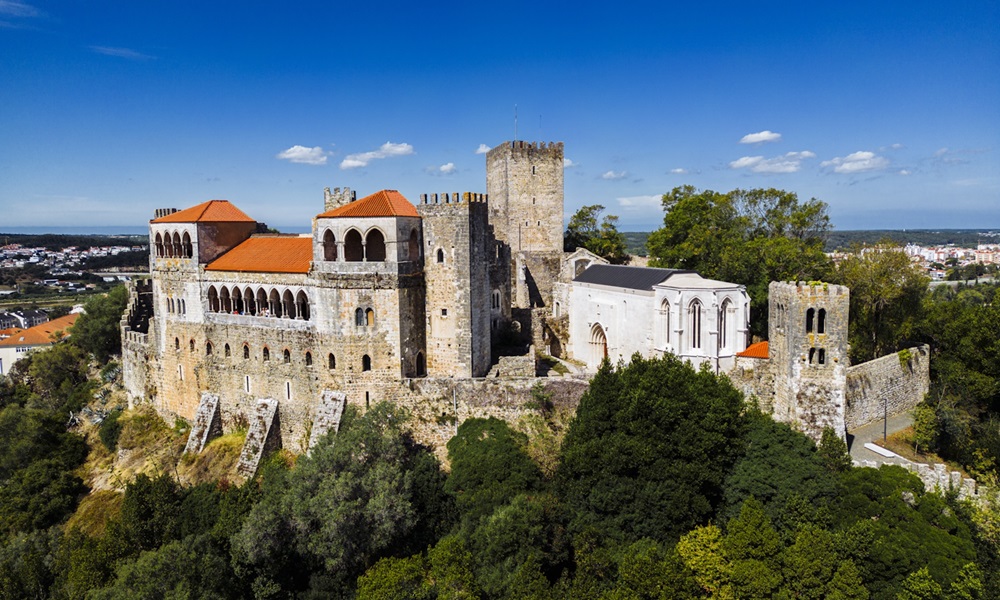
Added to these advantages is the extraordinary variety of locations that the country offers. Within a relatively compact territory, Portugal offers beaches, mountains, forests, historic cities, medieval villages, castles, palaces, contemporary architecture, monuments, rivers, lakes, and rural landscapes, all accessible within a few hours of travel.
This connectivity, reinforced by a network of international airports, ports, and efficient ground transportation, facilitates filming logistics and significantly reduces travel time between locations.
In addition to its geographical attributes, Portugal boasts a well-established audiovisual industry, comprised of highly trained professionals with extensive experience in international productions. The availability of studios equipped with state-of-the-art technology, post-production services, competitive costs, excellent hotel and restaurant offerings, and a safe and stable environment make the country a strategic partner for projects of varying scales.
In addition to its numerous international co-production agreements and a robust healthcare system, factors that further strengthen its position as one of the most competitive locations for audiovisual production globally.
“Portugal offers a set of conditions that make it a highly competitive partner for international productions,” summarized Ana Marques, Executive Director of the Portugal Film Commission. “Its diverse locations allow for very different settings, in addition to a highly skilled industry.”
SCRI.PT Program, a Multimillion-Dollar Investment
To further increase Portugal’s visibility as an audiovisual production hub, the Portuguese government launched the Financing Program for the Audiovisual and Film Industry, SCRI.PT.
“At this time, the main differentiating factor is the country’s strategic commitment to the sector. The launch of the SCRI.PT program represents an investment of €350 million for the period 2026-2029 and sends a very clear message: Portugal considers film and audiovisual production a priority,” explained the director.

“This new industry financing program reinforces the stability and predictability of the production support system, while creating better conditions to attract investment and consolidate Portugal as a competitive destination for international filming and co-productions.”
More than just a financing program, SCRI-PT constitutes a strategy to consolidate the industry’s competitiveness, boost its internationalization, attract foreign productions, and create the necessary conditions for sustainable growth in the media sector.
One of its main instruments is the Audiovisual and Film Production Incentive Scheme (RIPAC), which will allocate €200 million in non-repayable grants during the period 2026-2029. The system includes two production incentives: one for medium-budget projects, organized into two application phases per year, and another for large-scale productions, with open calls for proposals on an ongoing basis. Together, these instruments allow the system to meet the needs of projects of varying sizes and profiles, strengthening Portugal’s competitiveness as a destination for audiovisual production.
The program also incorporates a Mutual Guarantee Line to support credit for audiovisual and film production, intended for projects benefiting from RIPAC. Endowed with €150 million for the period 2026-2029, this line addresses the need to facilitate access to financing and strengthen the financial capacity of productions. Its operation will be governed by the legislation applicable to the guarantee lines of the Banco Português de Fomento (Portuguese Development Bank) and by the corresponding technical specifications, which will be approved by the member of the Government responsible for Finance.
“As a whole, SCRI.PT demonstrates that Portugal wants to consolidate its position as a stable, predictable, and competitive partner for hosting and developing audiovisual productions of international scope,” the executive emphasized.
More tools and resources for producers
In addition to this program, the Portugal Film Commission has developed tools for the industry, such as the Directory of Entities and the Catalog of Locations, to facilitate their discovery and access, and to promote the arrival of new productions to the country.
“The mission of the Portugal Film Commission is to promote Portugal as a destination for international filming and co-productions, support national and international producers in the development of their projects, and contribute to the sustainable growth of the Portuguese film industry. We work to facilitate contact between productions, professionals, companies, and organizations, creating the necessary conditions to make filming in Portugal an increasingly streamlined and efficient process,” the director stated.
“In this context, tools like the Location Catalog and the Directory of Entities have emerged. The former allows users to discover the extraordinary landscape and architectural diversity of the country, while the latter brings together hundreds of companies and professionals from across the entire value chain of the film and audiovisual sector. Both tools facilitate access for international producers to the Portuguese industry and, at the same time, give greater visibility to national talent and companies.”
But the commission’s work doesn’t end there, explained its director. “We also support many of these projects from their earliest stages, clarifying issues related to incentives and facilitating contact with different entities. This role of support and facilitation is part of our daily mission.”
Tax and Financing Incentives
With incentives such as the Cash Refund for large productions and the Cash Rebate for medium-budget projects, Portugal has consistently provided financial support to international producers, resulting in “a very positive outcome,” the executive summarized.
“Over the past few years, we have seen sustained growth in international producers’ interest in Portugal, accompanied by a greater capacity of the national industry to respond to projects of varying scales.”

“The incentives have attracted productions with a very significant economic impact, while also contributing to job creation, strengthening Portuguese companies, and showcasing national talent. But their benefits extend far beyond the filming period. Each production leaves behind knowledge, experience, and relationships of trust that generate new opportunities for the sector.”
Thus, today Portugal is recognized as a country capable of offering quality and professionalism. This recognition is the result of the collaborative work of production companies, professionals, film commissions, and public entities, and the incentives have played a decisive role in this process.
Major Success Stories
All this effort has led to international productions such as House of the Dragon, Damsel, Heart of Stone, and, more recently, FBI: International, choosing Portugal as a filming location in recent years.
“Each of these productions represents much more than just a film shoot,” said the director. “They are a demonstration of confidence in Portugal’s ability to host complex projects and meet the standards of major international productions.”
“In addition to the direct economic impact, these projects showcase the experience of Portuguese teams, the diversity of our locations, and the capacity for collaboration between different entities. When an international production has a positive experience, that result is quickly transmitted within the industry and helps position Portugal as a reliable and competitive destination.”
“Furthermore, the fact that these productions reach audiences worldwide also has a significant international visibility effect. Every project filmed in Portugal helps to raise awareness of new locations and reinforces the interest of other producers in discovering the country,” she added.
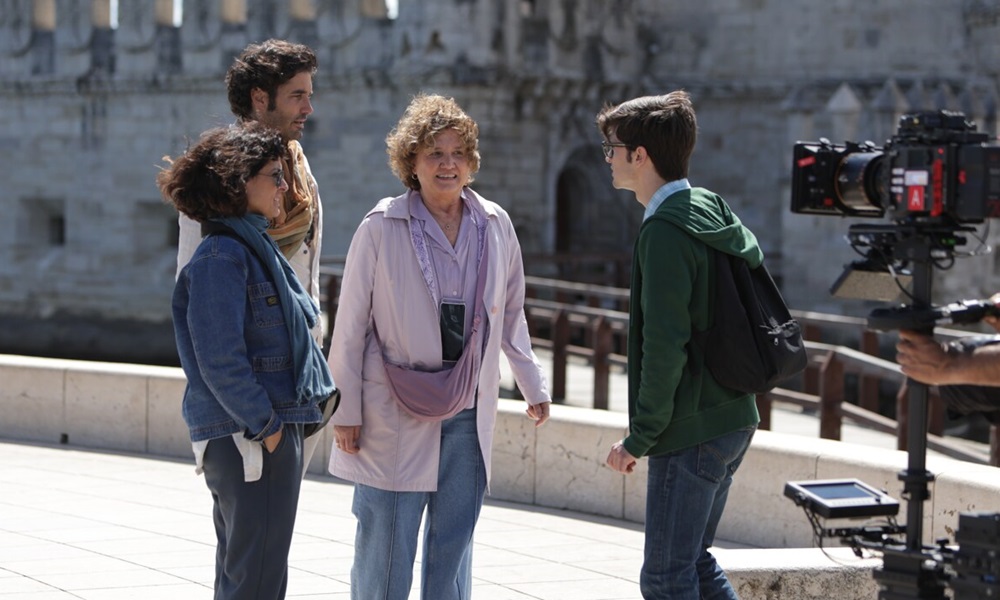
In this regard, a major success story is Disney+’s Si es martes, es asesinato, which was filmed entirely in Lisbon and demonstrates the growing interest from Spanish and Latin American producers in developing projects in Portugal.
“The fact that a Spanish production of the scale of Si es martes, es asesinato chose Lisbon as its sole filming location is a good example of the growing confidence of Spanish producers in Portugal,” the executive stated.
“Spain has historically been one of our natural partners in the audiovisual sector. We share geographical and cultural proximity, a long tradition of co-production, and a close relationship between our industries. Added to this is the collaboration between institutions and public broadcasters in both countries, which has further strengthened these ties.”
“In a broader context, we are also seeing growing interest from Ibero-American producers. Portugal can play a significant role as a bridge between Europe and Latin America, not only through existing co-production agreements, but also through its active participation in initiatives such as Iberofic and Ibermedia, which foster cooperation and the development of international projects.”
International Alliances and the Future Ahead
As a member of international organizations such as Iberofic, AFCI, and EUFCN, the Portugal Film Commission aims to further position Portugal as one of Europe’s most attractive audiovisual destinations in the coming years.
“Our priority is to continue strengthening Portugal’s international presence and consolidating relationships with key audiovisual markets,” she explained. “Being part of these international networks allows us to exchange best practices, develop new partnerships, and increase Portugal’s visibility among producers, studios, and professionals worldwide.”

“At the same time, we want to continue promoting the diversity of our locations, the excellence of our professionals, and the opportunities the country offers for international production and co-production. Internationalization will remain one of the strategic pillars of the Portugal Film Commission.”
“We want Portugal to be recognized not only as an excellent place to film, but also as a country where it is worthwhile to produce, invest, and establish long-term relationships. That is the path we are building, in close collaboration with the industry and our national and international partners,” she concluded.