
Chile Stands as an Invaluable Production Destination for International Audiovisual Production
From the Atacama Desert to Patagonia, Chile offers a diverse range of unique locations, complemented by infrastructure, specialized talent, and incentives for audiovisual investment. Yerko Martínez, National Coordinator of Performing Arts, Visual Arts, and Cinematography at ProChile, highlights the country's competitive advantages, its incentives for attracting foreign productions, and the Film Commission's strategy to boost audiovisual investment and the evolution of the industry nationwide.
-
By ttvnews
- 21/08/2026

The diversity of landscapes, institutional stability, and the development of an audiovisual industry with international experience are making Chile an increasingly attractive destination for foreign productions.
From the Atacama Desert to Patagonia, all the way through cities, coasts, forests, and valleys, the country offers a variety of settings that allow for the creation of very different worlds without the need to travel between multiple territories.
In this context, the Chilean Film Commission seeks to consolidate a proposal that goes beyond simply promoting its locations. The strategy aims to present the country as an ecosystem capable of meeting the needs of international productions, bringing together technical capabilities, suppliers, public institutions, and private stakeholders to facilitate every stage of filming.
One of the keys to this goal is precisely the geographical diversity concentrated within relatively short distances. The concept of “Chile in three hours,” where the possibility of combining desert, mountains, coast, cities, and forests within the same country -all within reasonable travel times- represents a competitive advantage for projects that require visual variety, as well as logistical and budgetary efficiency.
This offering is complemented by support tools and incentives designed to facilitate the arrival of international productions. These include CORFO’s Audiovisual IFI, which provides a reimbursement of up to 40% of certain eligible expenses incurred in Chile, and the work of Film Commission Chile as a platform for guidance and coordination between producers, authorities, regions, and specialized suppliers.
Strengthening public-private partnerships is also central to this strategy. ProChile works alongside the Ministry of Cultures, Arts and Heritage, CORFO (Chilean Economic Development Agency), Sernatur (National Tourism Service), InvestChile, regional governments, municipalities, and industry representatives to build a more coordinated and competitive national offering, with a special focus on opportunities outside of Santiago.
The track record of productions such as Quantum of Solace, Expedition Unknown, and Travel Guides, as well as more recent projects like Wild Horse Nine and international campaigns for major brands, demonstrates Chile’s potential to host projects of varying scales and formats. In addition to the direct economic impact, these productions help project the country’s image, boost tourism, and showcase its creative and technical capabilities to new international audiences.
In the following interview with ttvnews, Yerko Martínez, National Coordinator of Performing Arts, Visual Arts, and Cinematography at ProChile, discusses this evolution, the challenges of attracting audiovisual investment, and the strategy for positioning Chile as one of the most competitive production destinations in Latin America.
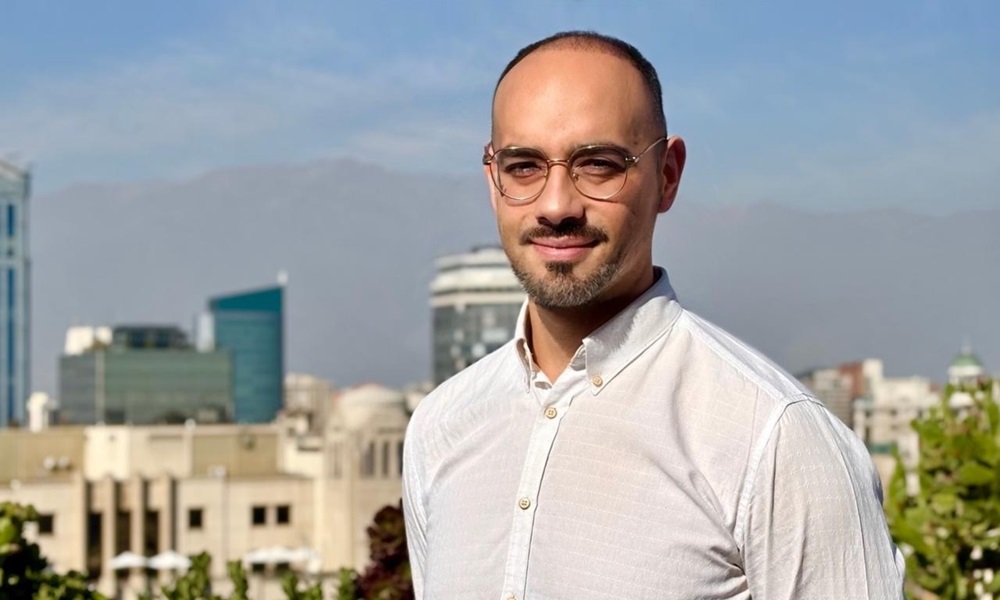
What competitive advantages does Chile offer compared to other markets in the region to attract international audiovisual productions?
Chile offers a particularly competitive combination for international productions: diverse locations, institutional stability, connectivity, technical capabilities, and a local audiovisual industry with international experience. This mix allows us to address needs within a single country that in other markets often require more complex travel or multiple jurisdictions.
One of our main advantages is our geographic and climatic diversity. In just a few hours, it’s possible to travel from the Atacama Desert -one of the world’s most unique landscapes- to the Andes Mountains, the coast, wine-growing valleys, temperate rainforests, modern cities, rural areas, glaciers, and Patagonia. This variety allows for the creation of multiple visual universes while optimizing time, logistics, and budget.
Added to this is a reliable national environment: legal security, institutional stability, excellent air and land infrastructure (with a road network of over 80,000 kilometers), high levels of digitization, and specialized services capable of meeting international standards. Chile has technical teams, service production companies, post-production professionals, animation specialists, VFX artists, and local suppliers already working on international projects.
Finally, Film Commission Chile is consolidating a one-stop shop model to guide international producers, connect public and private institutions, and facilitate links with regions, authorities, industry associations, and suppliers. Our goal is for Chile to be seen not just as a collection of exceptional locations, but as an audiovisual ecosystem ready to host global productions.
Chile boasts a great diversity of landscapes and locations. What types of locations are currently most sought after by international production companies and studios?
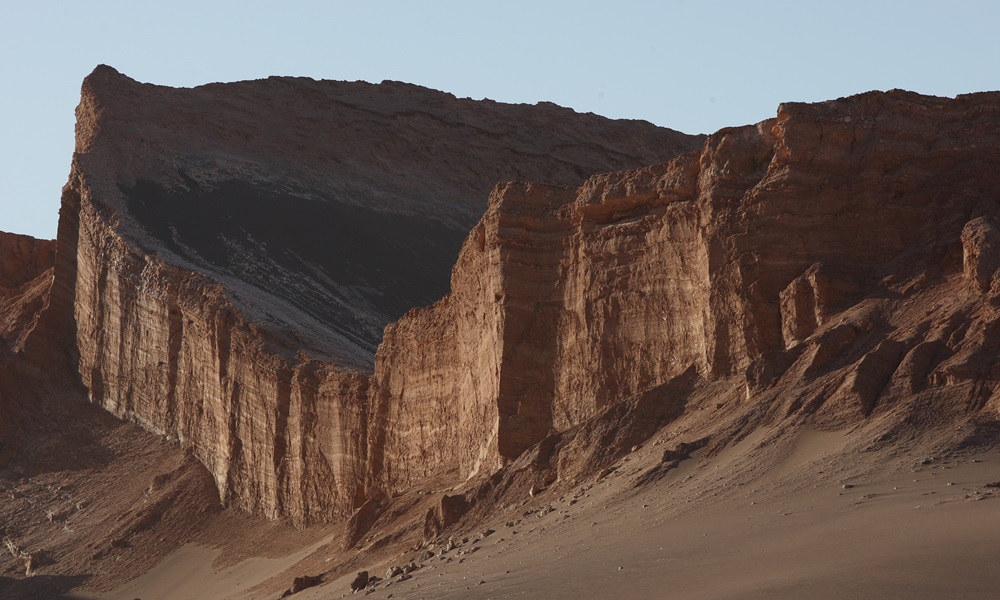
We are seeing a growing demand for locations with a distinct visual identity, high production value, and the ability to differentiate themselves from more commonly used destinations. In this regard, the Atacama Desert remains one of Chile’s greatest attractions: salt flats, volcanoes, clear skies, astronomical observatories, and almost extraterrestrial landscapes make it a highly sought-after setting for fiction, documentaries, advertising, and content related to science, adventure, and exploration.
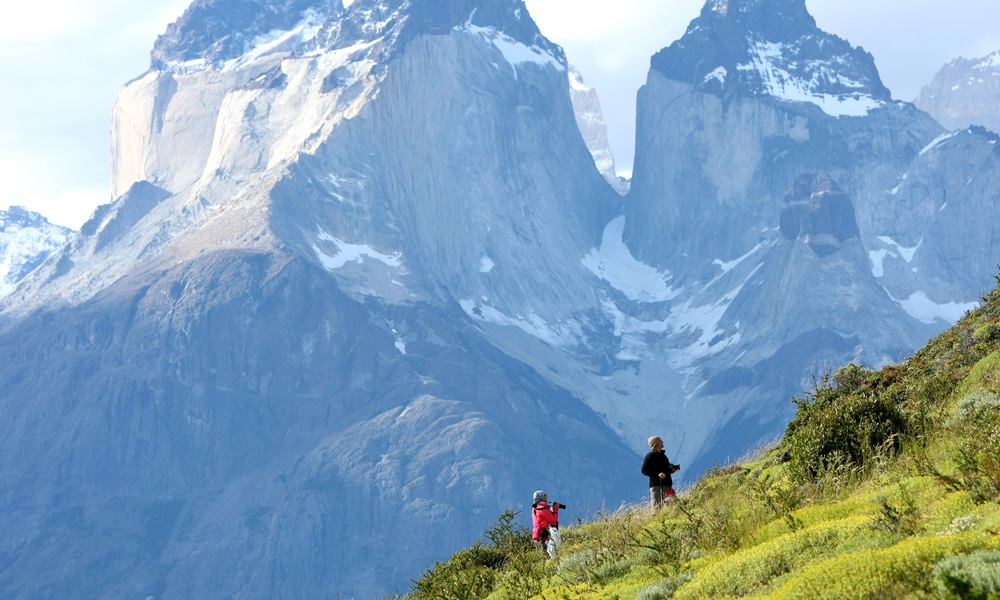
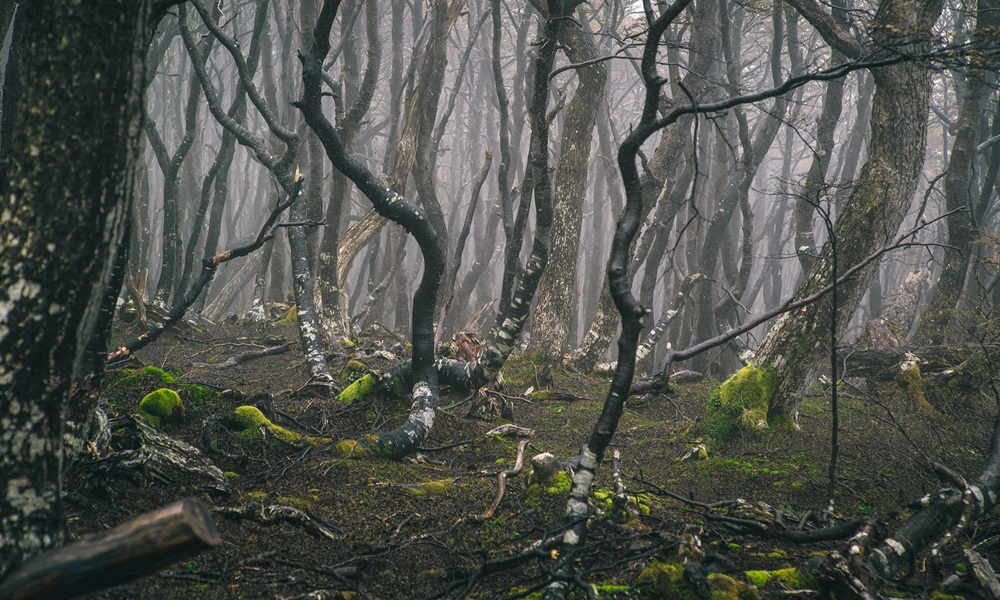
There is also sustained interest in Patagonia and southern Chile. Areas like Torres del Paine, glaciers, lakes, steppes, temperate rainforests, and southern landscapes offer an exceptional visual scale for film, series, nature documentaries, travel content, and productions that require remote or scenic locations.
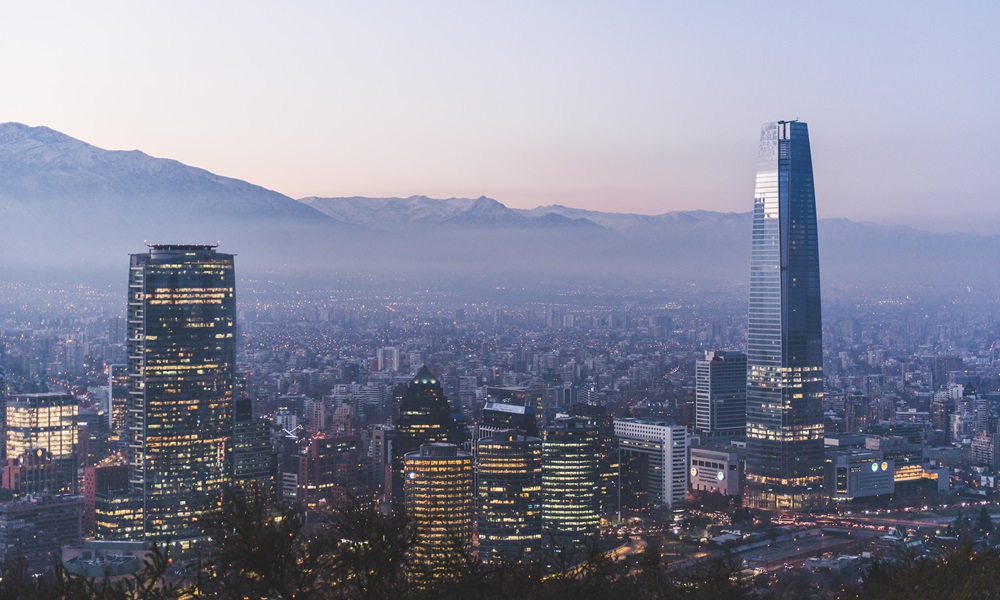
At the same time, production companies are increasingly seeking versatile urban environments. Santiago can represent a modern Latin American capital, with infrastructure, a skyline, residential neighborhoods, corporate spaces, and good connectivity. Valparaíso, for its part, contributes a highly recognizable heritage identity, with hills, port architecture, color, history, and an urban texture that is difficult to replicate.
The most appealing aspect is that these locations do not exist in isolation. We want to establish the idea of ”Chile in three hours”: the possibility of connecting, in a reasonable time, mountains, beaches, cities, valleys, desert, or forests. This proximity between very different landscapes is a concrete advantage for productions that need visual variety without having to travel to multiple countries, obtain permits, or develop complex logistical structures.
What tools, incentives, or support mechanisms does the Film Commission offer to facilitate the work of foreign productions in the country?
Film Commission Chile operates as a platform for facilitating, guiding, and coordinating international productions interested in filming in the country. Our role is to support the process from the initial inquiries to the preparation for filming, connecting producers with public institutions, regional governments, municipalities, industry associations, production companies, location managers, and specialized suppliers.
The support we provide includes guidance on locations, permits, regulatory requirements, logistics, temporary import of equipment, immigration procedures, local suppliers, and institutional contacts. We do not replace the role of production companies or the relevant authorities, but we do facilitate access to information, referrals, and coordination to make the process clearer, faster, and more organized.
In terms of incentives, Chile has relevant instruments such as the Audiovisual Investment Fund (IFI) of the Production Development Corporation (CORFO), under the Ministry of Economy, which functions as a cash-rebate that can reimburse up to 40% of eligible expenses incurred in Chile for high-impact productions, and the Audiovisual Investment Fund of the Ministry of Cultures, Arts and Heritage, aimed at promoting international partnership investment. Furthermore, Chile is part of the ATA Carnet system, which facilitates the temporary entry of goods and equipment under certain customs conditions.
In addition to the above, we are strengthening structural tools to improve the filming experience in Chile: a national network of film commissions and regional counterparts, guides and procedural manuals, a location finder, a supplier directory, and international promotion activities, including specialized markets, missions, B2B meetings, and familiarization trips for producers, executives, and location managers.
How has collaboration between the public and private sectors evolved to strengthen the Chilean audiovisual industry and its international reach?
Public-private collaboration has evolved significantly. Today, there is a shared understanding that attracting international productions depends not only on good locations, but also on a national strategy that combines promotion, incentives, facilitation, technical capabilities, specialized services, and territorial coordination.
The reactivation of Film Commission Chile responds precisely to this need. At ProChile, we work in close collaboration with the Ministry of Cultures, Arts and Heritage, CORFO (Chilean Economic Development Agency), the National Tourism Service (Sernatur), InvestChile, regional governments, municipalities, industry associations, and companies in the audiovisual sector. This coordination allows us to address issues such as investment, permits, international promotion, tourism, regional development, and strengthening suppliers in an integrated manner.
A key component has been working with the regions. Many of the most attractive locations and opportunities for economic impact are located outside the capital. Therefore, we are promoting a national network to strengthen local capacities, organize information, improve institutional response, and connect regions with concrete opportunities for international production.
This collaboration is already expressed in concrete actions: participation in international markets, promotional activities in strategic industries, reception of foreign delegations, familiarization trips, support for success stories and coordination with the private sector to present a clearer, more professional and competitive country offer.
What international success stories or productions would you highlight from those filmed in Chile in recent years?
Chile has a significant track record as an international filming destination. A landmark project was Quantum of Solace (2008), from the James Bond saga, which used locations in the north of the country, including the Atacama Desert and the Paranal Observatory, demonstrating early on Chile’s potential for global-scale film productions.
Looking ahead to 2025 alone, notable projects include Travel Guides from Channel 9 Australia, one of the most-watched travel programs in that market; Curieux Bégin from Télé-Québec, a Canadian food and culture program; and Expedition Unknown from Discovery Channel, a high-profile international production filmed in various locations throughout the country.
More recently, Chile hosted the filming of Wild Horse Nine, directed by Martin McDonagh and starring Sam Rockwell and John Malkovich, with filming taking place on Rapa Nui and in Santiago.
In addition, there is the interest of global brands, such as the international Yves Saint Laurent campaign starring Dua Lipa, filmed in Santiago and San Pedro de Atacama. These cases are relevant not only for the direct spending they generate, but also for their demonstrative effect: they show that Chile can meet international standards, project our image to millions of viewers, and open conversations with new production companies, studios, platforms, and brands.

How important do you consider the work and evolution of national Film Commissions in Latin America, and how does Chile collaborate with these organizations in the region?
Film Commissions play an increasingly strategic role in Latin America. In a highly competitive global environment vying for audiovisual investment, the countries that best position themselves are those with institutions capable of facilitating filming, coordinating public and private stakeholders, professionalizing available information, and sustainably promoting their territories.
The region boasts valuable experiences demonstrating how audiovisual production can generate employment, production chains, supplier development, tourism promotion, and international recognition. At the same time, we share similar challenges: regulatory frameworks, permits, incentives, infrastructure, professionalization of services, and the need for better coordination among regions.
From Chile, we promote a regional cooperation approach. We participate in international markets where we interact with other Latin American film commissions, share best practices, and seek to create synergies that will position Latin America as an attractive, diverse, and professional audiovisual hub.
We are also strengthening our ties with specialized international networks, including the Association of Film Commissioners International (AFCI), with the aim of reinforcing best practices, service standards, institutional cooperation, and comparative learning.

What are the main objectives and challenges of the Chilean Film Commission for the coming years in terms of attracting investment and developing the audiovisual industry?
Our main objective is to consolidate Chile as one of the most competitive audiovisual destinations in Latin America. To achieve this, we are working on three complementary lines of action: international promotion, institutional strengthening, and territorial development.
In terms of international promotion, we seek to increase Chile’s presence in strategic markets and deepen our work with priority industries such as the United States, Europe, Latin America, and India. The goal is to transform interest in our locations and capabilities into concrete filming projects, investments, and collaborations with Chilean companies.
In terms of institutional strengthening, we are developing tools that facilitate the experience for those who want to film in Chile: a clear identity for the Chilean Film Commission, manuals and procedural guides, a location finder, a supplier directory, improved referral protocols, and a national network of film commissions and regional counterparts.
In terms of territorial development, we want the arrival of international productions to generate more widely distributed benefits: local employment, contracting of services, strengthening of suppliers, tourism, skills transfer, and new opportunities for the regions. The challenge is for Chile to be internationally competitive, but also for that competitiveness to have a concrete impact on the territories.
Finally, we want the audiovisual industry to be understood as a strategic investment for the country. An international production not only generates direct spending; it also projects the country’s image, promotes tourism, strengthens creative industries, activates related services, and positions Chile on screens worldwide. That is the long-term impact we want to consolidate at Film Commission Chile.